
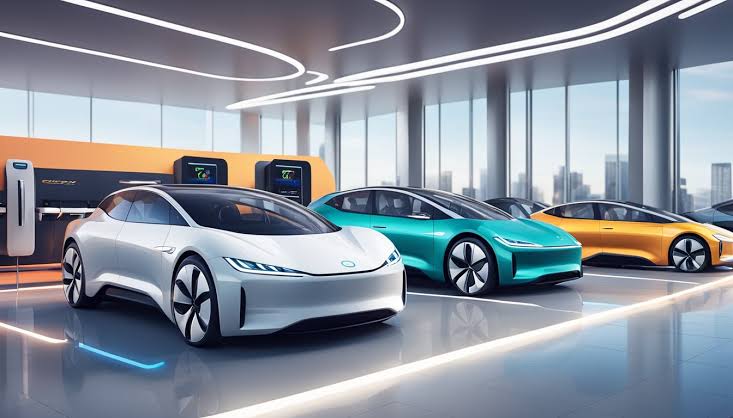
Electric vehicles (EVs) are transforming transportation worldwide, offering a sustainable alternative to traditional combustion-engine vehicles. As Africa seeks to address environmental, economic, and energy-related challenges, the adoption of EVs could bring substantial benefits to the continent. However, certain obstacles and limitations may hinder widespread adoption. Here’s a closer look at the pros and cons of EVs in Africa.
Pros of EVs for Africa
- Environmental Benefits
EVs are a cleaner, greener alternative to petrol and diesel vehicles, which release harmful greenhouse gases. By reducing emissions, EVs can help improve air quality in African cities. This is crucial as urbanization accelerates, and air pollution has become a significant health concern.
- Lower Fuel Costs
Electricity is generally cheaper than petrol or diesel in most African countries. As EVs rely on electricity, they present an opportunity for consumers to reduce their spending on fuel. Additionally, Africa has high potential for renewable energy generation, including solar, wind, and hydroelectric power, which could help power EVs sustainably.
- Decreased Dependence on Imported Oil
Many African nations rely on oil imports to meet transportation energy needs, which makes them vulnerable to global oil price fluctuations. EV adoption could reduce this dependency, helping countries save on foreign exchange and focus on locally produced energy sources like solar.
- Growing Investment Opportunities
EVs are creating investment opportunities across Africa. Charging infrastructure, battery manufacturing, and vehicle assembly are emerging sectors that could boost job creation and economic development. Governments and private investors are increasingly interested in supporting EV-related initiatives, which could further stimulate the economy.
- Technology and Infrastructure Development
With the adoption of EVs, there’s an opportunity to develop infrastructure like charging stations and solar-powered grids. This could also accelerate overall advancements in tech industries, potentially supporting Africa’s broader digital and energy transitions.
Cons of EVs for Africa
- High Initial Costs
EVs typically have higher upfront costs than conventional vehicles, partly due to the cost of the battery. In African countries where income levels are generally lower, this high cost may be prohibitive, limiting access for many consumers.
- Limited Charging Infrastructure
Charging infrastructure in Africa is currently inadequate. Outside of major urban centers, charging stations are rare, which could make long-distance travel challenging. Developing this infrastructure is costly and requires significant investment from both governments and private sectors.
- Electricity Supply Challenges
Africa’s electricity infrastructure faces challenges, including inconsistent supply, load shedding, and high costs in certain regions. Until the continent’s power supply stabilizes, EVs may not be reliable, and charging them could add strain to already stretched grids.
- Battery Disposal and Environmental Concerns
Batteries used in EVs pose disposal and recycling challenges. Without proper recycling infrastructure, used batteries could become an environmental hazard. Africa needs to prepare for the environmental impacts of battery waste before EVs reach critical adoption levels.
- Limited Consumer Awareness and Policy Support
Many consumers in Africa are unfamiliar with EVs, and public awareness about their benefits remains low. Moreover, supportive government policies and incentives are limited in most African countries. Without education and incentives, widespread adoption may be slower.
The Road Ahead for EVs in Africa
The successful adoption of EVs in Africa will depend on addressing these challenges while leveraging the benefits. Partnerships with private companies, foreign investors, and governments could help build charging infrastructure, increase energy generation capacity, and bring down vehicle prices through local assembly. Education campaigns and incentives can also play a critical role in accelerating adoption.
Conclusion
EVs hold immense promise for Africa, from reducing emissions and cutting fuel costs to fostering new industries. However, challenges like high initial costs, limited infrastructure, and electricity constraints must be tackled for EVs to become a sustainable option across the continent.